




When it comes to enhancing the safety and aesthetics of a vehicle, car bumpers play a crucial role. As a trusted car bumper supplier, we understand the importance of proper installation to ensure optimal performance. In this blog post, we will discuss the installation requirements for a car bumper, providing you with valuable insights to make the process smooth and successful.
Compatibility with the Vehicle Model
The first and foremost requirement for installing a car bumper is ensuring compatibility with the specific vehicle model. Different car models have unique bumper designs, mounting points, and dimensions. It is essential to choose a bumper that is specifically designed for your vehicle to ensure a perfect fit. For example, if you own a Geely Bo Yue, our Rear Bumper Upper for Geely Bo Yue is the ideal choice. It is engineered to match the exact specifications of your vehicle, guaranteeing a seamless installation.
Quality and Durability
Another critical factor to consider is the quality and durability of the car bumper. A high-quality bumper not only provides better protection but also enhances the overall appearance of the vehicle. Look for bumpers made from high-grade materials such as polycarbonate, fiberglass, or steel. These materials are known for their strength, impact resistance, and long-lasting performance. At our company, we offer a wide range of car bumpers that are made from premium materials, ensuring superior quality and durability.


Tools and Equipment
Proper installation of a car bumper requires the use of specific tools and equipment. Some of the essential tools include a socket set, wrenches, screwdrivers, and a drill. It is important to have these tools on hand before starting the installation process. Additionally, you may need a lift or jack to raise the vehicle for easier access to the bumper mounting points. Make sure to follow the manufacturer's instructions and use the appropriate tools to ensure a safe and secure installation.
Safety Precautions
Safety should always be a top priority when installing a car bumper. Before starting the installation, make sure to park the vehicle on a flat and stable surface. Engage the parking brake and turn off the engine. Wear appropriate safety gear, such as gloves and safety glasses, to protect yourself from any potential hazards. If you are not familiar with the installation process, it is recommended to seek the assistance of a professional mechanic.
Step-by-Step Installation Process
The installation process for a car bumper may vary depending on the vehicle model and the type of bumper. However, the general steps are as follows:
- Remove the Old Bumper: Start by removing the old bumper from the vehicle. This may involve removing bolts, screws, and clips. Use the appropriate tools to carefully remove the bumper without causing any damage to the vehicle.
- Prepare the New Bumper: Before installing the new bumper, make sure to inspect it for any damage or defects. Clean the bumper and remove any protective film or packaging. Check the mounting points on the bumper and ensure they match the mounting points on the vehicle.
- Install the New Bumper: Align the new bumper with the mounting points on the vehicle. Insert the bolts, screws, or clips and tighten them securely. Make sure the bumper is properly aligned and flush with the vehicle body.
- Connect the Electrical Components: If your bumper has electrical components, such as fog lights or sensors, make sure to connect them properly. Follow the manufacturer's instructions to ensure a correct connection.
- Test the Bumper: Once the bumper is installed, test it to make sure it is functioning properly. Check the alignment, fit, and operation of any electrical components. Make any necessary adjustments if needed.
Professional Installation vs. DIY
While some car owners may choose to install the bumper themselves, it is recommended to have it installed by a professional mechanic. A professional installer has the knowledge, experience, and tools to ensure a proper and safe installation. They can also provide valuable advice and guidance on the best bumper for your vehicle and the installation process. However, if you have the necessary skills and experience, you can install the bumper yourself. Just make sure to follow the manufacturer's instructions and take all necessary safety precautions.
Conclusion
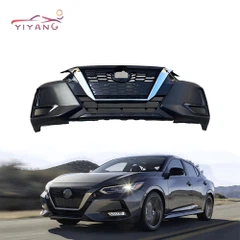
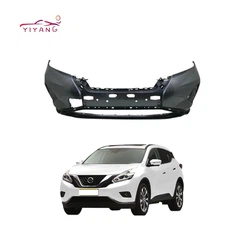
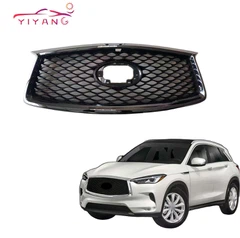
Installing a car bumper requires careful consideration and attention to detail. By ensuring compatibility, choosing a high-quality bumper, using the right tools and equipment, and following the proper installation process, you can enhance the safety and aesthetics of your vehicle. As a leading car bumper supplier, we offer a wide range of bumpers for various vehicle models, including the Rear Bumper for Nissan Sentra 2020+ and the Front Bumper for Infiniti QX50 2018+. If you have any questions or need assistance with the installation process, please feel free to contact us. We are here to help you find the perfect bumper for your vehicle and ensure a successful installation.
References
- "Automotive Bumper Systems: Design, Materials, and Manufacturing." Society of Automotive Engineers (SAE).
- "Car Bumper Installation Guide." AutoZone.
- "How to Install a Car Bumper." YourMechanic.


