



Hey there, car enthusiasts! As a car condenser supplier, I've seen all sorts of condensers for different types of cars. Today, I want to talk about a hot topic: are there differences between car condensers in traditional and electric cars?
Let's start with the basics. A car condenser is a crucial part of the vehicle's air - conditioning system. It's responsible for cooling down and condensing the refrigerant vapor into a liquid, which then circulates through the system to provide that nice, cool air inside the car.
Traditional Cars
In traditional cars, the engine plays a huge role in the operation of the condenser. The engine drives the compressor, which is the heart of the air - conditioning system. The compressor pumps the refrigerant through the condenser. The condenser, in turn, uses the airflow generated by the car's movement or the engine's cooling fans to dissipate heat from the refrigerant.
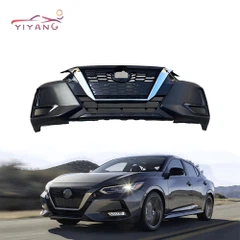
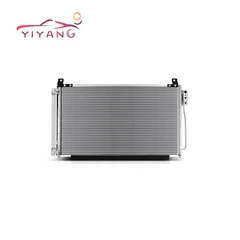
One key thing about condensers in traditional cars is that they are often designed to work in conjunction with the engine's cooling system. The engine generates a lot of heat, and the condenser has to be able to function effectively even in a high - heat environment. For example, in a Nissan Sentra, the condenser is engineered to fit snugly into the car's front end, where it can get maximum airflow. You can check out the Nissan Sentra Car Condenser on our website for more details.
Another aspect is that traditional car condensers are usually sized according to the power of the engine and the overall cooling requirements of the vehicle. Larger engines may require bigger condensers to handle the increased heat load.
Electric Cars
Now, let's shift our focus to electric cars. The first and most obvious difference is that there's no internal combustion engine. Instead of an engine - driven compressor, electric cars use an electrically powered compressor. This means that the condenser in an electric car doesn't have to deal with the intense heat generated by an engine.
The cooling requirements for electric cars are also different. Electric cars have a battery pack that needs to be kept at an optimal temperature. The condenser in an electric car may be part of a more complex thermal management system that not only cools the air inside the cabin but also helps regulate the temperature of the battery.
The size and design of condensers in electric cars can be more flexible. Since they don't have to fit around an engine, they can be placed in different locations within the car. For instance, some electric cars may have condensers located closer to the battery pack to better manage the thermal energy.
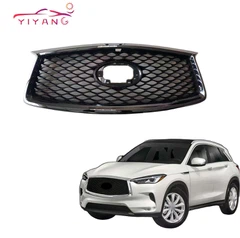
Take the Infiniti QX50, for example. If it were an electric version, the Infiniti QX50 Condenser would likely be designed with different considerations compared to its traditional counterpart.


Energy Consumption
Energy consumption is another area where we see differences. In traditional cars, running the air - conditioning system puts an extra load on the engine, which can reduce fuel efficiency. The condenser has to work in line with the engine's power output, and any inefficiencies in the condenser can lead to even more wasted energy.
In electric cars, the power for the air - conditioning system comes from the battery. The condenser is designed to be more energy - efficient to minimize the impact on the vehicle's range. Electric car manufacturers are constantly looking for ways to optimize the performance of the condenser to ensure that the air - conditioning system uses as little battery power as possible.
Maintenance
Maintenance requirements also vary. In traditional cars, the condenser is exposed to a lot of dirt, debris, and road grime. This can clog the condenser fins, reducing its efficiency. Regular cleaning is often necessary to keep the condenser working properly.
In electric cars, while there's no engine - related debris, the condenser still needs to be maintained. However, the focus may be more on the electrical components of the air - conditioning system, such as the compressor and the control modules.
Durability
When it comes to durability, traditional car condensers are built to withstand the harsh conditions under the hood. The constant heat from the engine and the vibrations can take a toll on the condenser over time.
Electric car condensers, on the other hand, may face different challenges. The electrical components are more sensitive, and any issues with the battery management system can potentially affect the condenser's performance.
Cost
The cost of condensers can also vary between traditional and electric cars. Traditional car condensers are generally more widely available, and the manufacturing process is well - established. This can result in a more competitive price range.
Electric car condensers, due to their specialized design and the need to integrate with the vehicle's advanced thermal management system, can be more expensive. However, as the production of electric cars increases and technology improves, we can expect the cost to come down.
Conclusion
So, to answer the question, yes, there are significant differences between car condensers in traditional and electric cars. From the way they are powered and their cooling requirements to maintenance, durability, and cost, each type of condenser is tailored to the specific needs of the vehicle.
Whether you're driving a traditional car or an electric one, having a high - quality condenser is essential for a comfortable ride. As a car condenser supplier, we offer a wide range of condensers for both traditional and electric vehicles. If you're in the market for a new condenser, whether it's a Nissan Sentra Car Condenser, an Infiniti QX50 Condenser, or an Infiniti Q50 Condenser, we've got you covered.
If you're interested in purchasing condensers for your car or have any questions about our products, feel free to reach out. We're always happy to have a chat and help you find the right condenser for your vehicle. Let's start a conversation about your car's cooling needs!
References
- Automotive Air Conditioning Manual, various editions
- Electric Vehicle Thermal Management Research Papers, multiple sources


