



Hey there! I'm a supplier in the car grill business, and today I want to chat about the environmental impact of car grill production. It's a topic that many folks might not think about too often, but it's super important in our industry.
Raw Material Extraction
Let's start with the raw materials. Car grills are made from various materials, like plastic, metal, and sometimes a combination of both. When it comes to metal, we're talking about things like aluminum and steel. Extracting these metals from the earth is no small feat. Mining operations can have a huge impact on the environment. They can cause deforestation, soil erosion, and water pollution. For example, when mining for iron ore, large areas of land are cleared, and the process can release heavy metals and other pollutants into the water supply.
Plastic is another common material for car grills. The production of plastic starts with the extraction of fossil fuels, mainly oil and natural gas. These resources are non - renewable, and their extraction can lead to habitat destruction and greenhouse gas emissions. Once the fossil fuels are extracted, they go through a complex process to turn them into plastic polymers. This process consumes a lot of energy and releases a significant amount of carbon dioxide into the atmosphere.
Manufacturing Processes
Once we have the raw materials, it's time to turn them into car grills. The manufacturing process also has its own set of environmental impacts. For metal grills, processes like casting, forging, and machining are used. Casting involves melting the metal and pouring it into a mold. This requires a large amount of energy, usually from burning fossil fuels. The high temperatures needed to melt the metal can also release harmful pollutants, such as particulate matter and sulfur dioxide.
Machining, on the other hand, involves cutting and shaping the metal. This process generates a lot of waste in the form of metal shavings. If not properly managed, these shavings can end up in landfills, contributing to the growing waste problem.
For plastic grills, injection molding is a common manufacturing method. In injection molding, plastic pellets are heated and injected into a mold under high pressure. This process also requires a significant amount of energy. Additionally, the chemicals used in the plastic production, such as plasticizers and stabilizers, can be harmful to the environment if they are not properly disposed of.


Transportation
Once the car grills are manufactured, they need to be transported to distributors and eventually to customers. Transportation is a major contributor to greenhouse gas emissions. Most car grills are transported by trucks, which run on diesel fuel. Diesel engines emit a large amount of carbon dioxide, nitrogen oxides, and particulate matter. The longer the distance the grills need to travel, the more emissions are produced.
Waste Management
At the end of a car grill's life cycle, it becomes waste. Many car grills end up in landfills, where they can take a long time to decompose. Metal grills can rust over time, and plastic grills can release harmful chemicals as they break down. Recycling is an option, but it's not always easy. Metal can be recycled, but the process requires energy and specialized equipment. Plastic recycling is even more challenging, as different types of plastics need to be separated, and the recycling process is not always efficient.
Our Efforts as a Supplier
As a car grill supplier, we're aware of these environmental issues, and we're taking steps to reduce our impact. We're looking into using more sustainable materials. For example, we're exploring the use of recycled plastics and metals in our grill production. By using recycled materials, we can reduce the demand for new raw materials and lower the energy consumption associated with their extraction.
We're also working on improving our manufacturing processes. We're investing in more energy - efficient equipment to reduce the amount of energy we use during production. And we're implementing better waste management practices to ensure that any waste generated during the manufacturing process is properly recycled or disposed of.
Product Examples
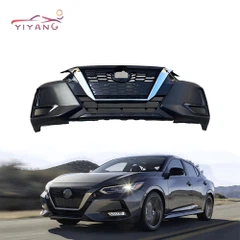
If you're in the market for a car grill, we have some great options. Check out our Toyota Camry Grill Trim. It's a high - quality grill that not only looks great on your Toyota Camry but is also made with an eye towards environmental sustainability.
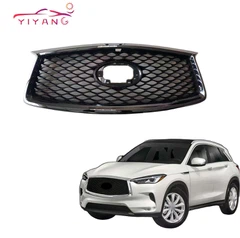
We also have the Car Grill for Infiniti QX50. This grill is designed to fit your Infiniti QX50 perfectly and is made with materials that are as eco - friendly as possible.
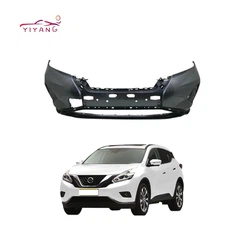
And for those with a Nissan Rogue T32 2019, our Car Grill for Nissan Rogue T32 2019 is a great choice. It's durable, stylish, and we're doing our best to minimize its environmental impact.
Conclusion
The environmental impact of car grill production is a complex issue. From raw material extraction to waste management, there are many stages in the process that can have a negative effect on the environment. But as a supplier, we're committed to making a difference. We're constantly looking for ways to reduce our environmental footprint and offer our customers high - quality car grills that are also eco - friendly.
If you're interested in learning more about our car grills or want to discuss a potential purchase, don't hesitate to reach out. We're here to answer any questions you might have and work with you to find the perfect car grill for your vehicle.
References
- "Environmental Impacts of Metal Mining and Processing." United States Environmental Protection Agency.
- "Plastic Production and its Environmental Consequences." Worldwatch Institute.
- "Transportation and Greenhouse Gas Emissions." International Energy Agency.