






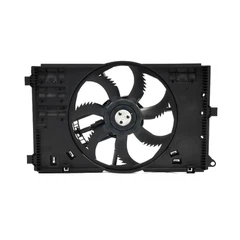




When it comes to the automotive world, the car radiator fan plays a crucial role in maintaining the engine's optimal temperature. One of the key aspects that often comes up in discussions about radiator fans is their voltage. In this blog post, we'll delve into what the voltage of a car radiator fan is, why it matters, and how it varies across different vehicles. As a leading car radiator fan supplier, we have extensive knowledge and experience in this area, and we're excited to share our insights with you.


Understanding the Basics of Car Radiator Fan Voltage
The voltage of a car radiator fan refers to the electrical potential difference that drives the fan motor to operate. In most automotive applications, radiator fans typically operate at either 12 volts or 24 volts. The choice of voltage depends on several factors, including the vehicle's electrical system and the specific requirements of the radiator fan.
12 - Volt Radiator Fans
12 - volt radiator fans are the most common type found in passenger cars and light - duty vehicles. These fans are compatible with the standard 12 - volt electrical systems that are prevalent in most automobiles. They are designed to draw power from the vehicle's battery and operate efficiently within this voltage range. 12 - volt fans are often used in smaller vehicles where the cooling requirements are relatively lower. For example, many compact cars and sedans use 12 - volt radiator fans to keep the engine cool during normal driving conditions.
24 - Volt Radiator Fans
24 - volt radiator fans are more commonly found in heavy - duty vehicles, such as trucks, buses, and some commercial vehicles. These vehicles typically have 24 - volt electrical systems to meet the higher power demands of their components. The 24 - volt radiator fans are capable of delivering more power and generating greater airflow, which is essential for cooling the larger engines found in these vehicles. The higher voltage allows the fan to spin at a higher speed and move more air through the radiator, effectively dissipating heat from the engine.
Why Does Voltage Matter?
The voltage of a car radiator fan is crucial for several reasons. Firstly, it determines the fan's performance. A higher voltage generally means that the fan can spin faster and move more air. This is especially important in situations where the engine is under heavy load or operating in hot weather conditions. For instance, when a vehicle is towing a trailer or climbing a steep hill, the engine generates more heat, and a radiator fan with sufficient voltage is needed to maintain the proper temperature.
Secondly, the voltage must be compatible with the vehicle's electrical system. Using a radiator fan with an incorrect voltage can lead to various problems. If a 24 - volt fan is installed in a 12 - volt system, it may not operate at all or may operate at a very low speed, resulting in inadequate cooling. On the other hand, if a 12 - volt fan is used in a 24 - volt system, it may overheat and burn out due to the excessive voltage.
Voltage and Different Vehicle Models
Different vehicle models have different requirements when it comes to radiator fan voltage. Let's take a look at some specific examples:
Nissan Altima
The Nissan Altima Radiator Fan is designed to operate within the standard 12 - volt electrical system of the vehicle. This fan is engineered to provide efficient cooling for the Altima's engine, ensuring that it runs smoothly even in challenging driving conditions. The 12 - volt design allows it to integrate seamlessly with the car's electrical system and deliver the necessary airflow to keep the engine at an optimal temperature.
Nissan Rogue T33
The Nissan Rogue T33 Radiator Fan also operates on a 12 - volt system. As a popular compact SUV, the Rogue T33 requires a reliable radiator fan to maintain engine temperature. The 12 - volt fan is able to meet the cooling needs of the vehicle's engine, providing sufficient airflow to prevent overheating.
Infiniti QX50
The Infiniti QX50 Radiator Fan is another example of a 12 - volt radiator fan. This luxury crossover SUV has a sophisticated engine that requires precise temperature control. The 12 - volt fan is designed to work in harmony with the vehicle's electrical system, delivering the right amount of cooling to keep the engine performing at its best.
Factors Affecting Radiator Fan Voltage Requirements
In addition to the vehicle type, several other factors can affect the voltage requirements of a radiator fan.
Engine Size
Larger engines generate more heat and therefore require a radiator fan with a higher capacity. This often means that vehicles with larger engines may need a 24 - volt fan to provide sufficient cooling. For example, a V8 engine in a full - size pickup truck will produce more heat than a 4 - cylinder engine in a compact car, and thus may require a more powerful 24 - volt radiator fan.
Cooling System Design
The design of the vehicle's cooling system also plays a role in determining the radiator fan voltage. Some cooling systems are more efficient than others, and may require less airflow to maintain the engine temperature. In these cases, a lower - voltage fan may be sufficient. On the other hand, if the cooling system has a high - performance design or is operating in extreme conditions, a higher - voltage fan may be necessary.
Driving Conditions
The driving conditions can also impact the radiator fan voltage requirements. Vehicles that are driven in hot climates or in stop - and - go traffic are more likely to experience higher engine temperatures. In these situations, a radiator fan with a higher voltage may be needed to provide adequate cooling.
Our Role as a Car Radiator Fan Supplier
As a car radiator fan supplier, we understand the importance of providing high - quality fans that are compatible with different vehicle models and their voltage requirements. We offer a wide range of radiator fans, including 12 - volt and 24 - volt options, to meet the diverse needs of our customers. Our fans are manufactured using the latest technology and high - quality materials to ensure reliable performance and long - lasting durability.
We also provide technical support to our customers, helping them choose the right radiator fan for their vehicles. Whether you're a mechanic, a car enthusiast, or a vehicle owner, we're here to assist you in finding the perfect radiator fan that meets your specific requirements.
Conclusion and Call to Action
In conclusion, the voltage of a car radiator fan is a critical factor that affects its performance and compatibility with the vehicle's electrical system. Understanding the voltage requirements of your vehicle's radiator fan is essential for maintaining the engine's optimal temperature and ensuring its longevity.
If you're in the market for a high - quality car radiator fan, we invite you to contact us for a detailed discussion. Our team of experts is ready to assist you in selecting the right fan for your vehicle and answering any questions you may have. Let's work together to keep your engine cool and running smoothly.
References
- Automotive Engineering Handbook: Cooling Systems
- Vehicle Electrical System Design Principles


