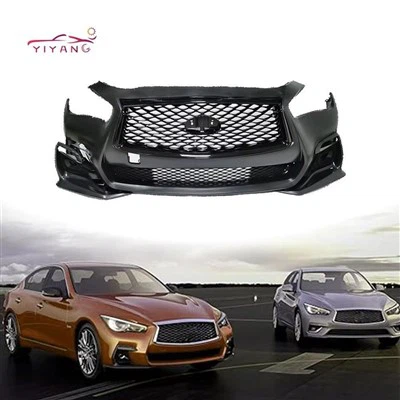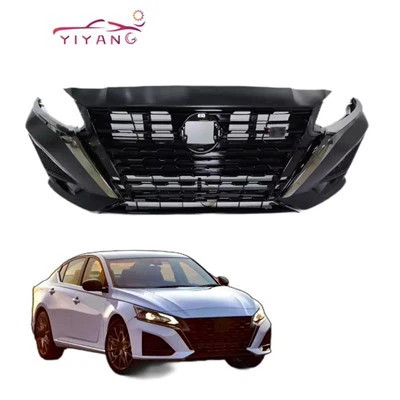

In overall automotive safety and engineering design, the bumper, as a prominent component at the front and rear of the vehicle, bears the primary responsibility of absorbing impact energy and protecting occupants and critical components. In modern vehicles, it increasingly integrates pedestrian protection, aerodynamic optimization, and intelligent sensing functions, becoming an important system combining protection, functionality, and aesthetic value.
Structurally, a car bumper typically consists of three parts: the outer skin, the energy-absorbing buffer layer, and the load-bearing frame. The outer skin is mostly made of engineering plastics or composite materials, offering good molding freedom and weather resistance, allowing for diverse styling to meet design aesthetic needs. The energy-absorbing buffer layer, located between the skin and the frame, commonly uses polypropylene foam or a honeycomb energy-absorbing structure. In low-speed collisions, it absorbs energy through plastic deformation, reducing the impact force transmitted to the main body of the vehicle. The load-bearing frame connects to the longitudinal beams or body, responsible for distributing the remaining load reasonably across the entire vehicle structure, preventing damage to critical assemblies such as the radiator, lights, and powertrain during a collision.
In terms of safety performance, the role of the bumper extends beyond protecting the vehicle itself in an accident; it also extends to caring for vulnerable road users. Modern regulations require bumpers to have rounded edges and surfaces, and to incorporate a controllable deformation zone between the skin and the frame to mitigate impact force on pedestrians and reduce the risk of leg and knee injuries. Simultaneously, the combination of a high-strength frame and optimized energy absorption characteristics can maintain the integrity of the engine compartment in high-speed collisions, preserving survival space for occupants-a crucial component of passive safety systems.
The trend towards functional integration has continuously expanded the function of bumpers. Front bumpers often have reserved space and openings to accommodate driver assistance sensors such as millimeter-wave radar and cameras. Their shape and structure must balance detection visibility with protection requirements, preventing sensor damage or obstruction. Some models embed air deflectors or spoilers within the bumper to streamline airflow at the front of the vehicle, reducing drag and optimizing heat dissipation. Rear bumpers perform similar tasks, balancing the functions of reversing cameras, lighting systems, and aerodynamic performance.
Advances in materials and manufacturing processes continue to improve bumper performance. High-polymer composite materials and modified engineering plastics maintain lightweight design while offering enhanced impact resistance and aging resistance. Injection molding and integrated coating processes ensure consistent appearance and production, reducing assembly errors. Furthermore, to meet global market regulations, bumpers undergo multi-zone crash standard verification during the design phase to ensure they meet predetermined protection targets under various testing conditions.
Overall, automotive bumpers have evolved from simple collision buffer components into multi-functional systems integrating passive safety, pedestrian protection, intelligent sensing, and aerodynamic optimization. Their performance directly impacts the overall safety level and user experience of a vehicle, highlighting their increasingly important role in automotive engineering.