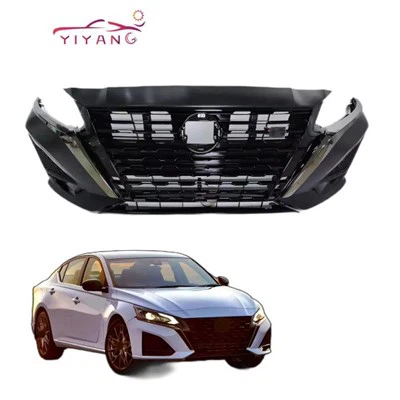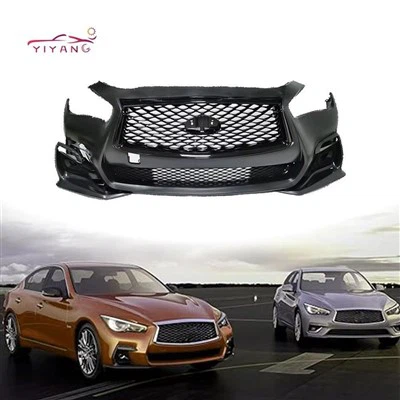
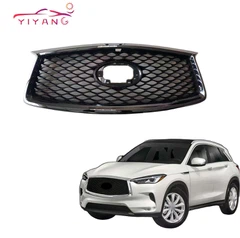
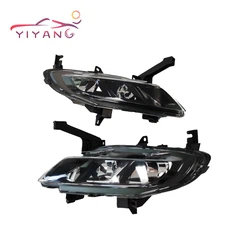
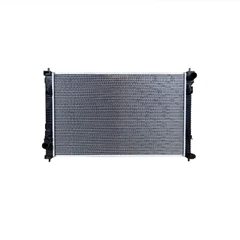
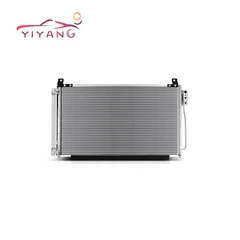

In modern automotive engineering and personalization, automotive body kits are no longer merely cosmetic accessories, but rather system components that, through targeted design, substantially impact multiple vehicle performance indicators. Their performance advantages are primarily reflected in aerodynamic optimization, improved handling stability, lightweight contributions, and durability and protection under specific conditions, constituting a significant source of incremental performance gains for the vehicle.
In terms of aerodynamic performance, the core function of body kits is to improve the interaction between the vehicle and airflow. The front lip, side skirts, and rear diffuser work together to reduce airflow separation between the front and sides of the vehicle, lowering pressure drag during driving. Simultaneously, by guiding airflow to create a negative pressure zone in the chassis, they effectively increase downforce at high speeds, improving tire-road contact stability. This design, in high-speed cruising or aggressive driving scenarios, shortens braking distance, increases cornering limits, and reduces directional drift caused by lift, thereby enhancing driving controllability and safety.
Improved handling performance is directly related to aerodynamic effects and also benefits from the optimized mass distribution provided by the body kit. Some body kits utilize lightweight, high-strength materials such as carbon fiber or aluminum alloy, significantly reducing unsprung mass compared to original steel or plastic parts, improving suspension response, and making acceleration and braking more agile. Furthermore, the adjustable rear wing can adjust its angle of attack according to vehicle speed and driving mode, providing additional downforce when needed, further optimizing high-speed stability and steering precision.
Body kits also demonstrate significant value in terms of durability and protection. Protective kits designed for off-road or harsh road conditions, such as thickened wheel arch guards and chassis fenders, effectively resist impacts from gravel, mud, and corrosion, protecting the engine compartment, fuel lines, and suspension components from external damage and extending the lifespan of critical systems. Even in urban driving conditions, the front bumper lip with an energy-absorbing structure can absorb some energy in low-speed collisions, reducing the risk of structural damage and lowering repair costs.
It is important to emphasize that the performance of the kit depends on a good match with the original structure. Insufficient installation precision or improper design may cause airflow disturbances, abnormal sensor signals, or even safety system failure. Therefore, modern high-performance body kits generally employ parametric modeling and digital matching technologies to ensure seamless compatibility with the vehicle's body contours, interface locations, and electronic systems after installation, thereby ensuring stable and reliable performance gains.
Overall, automotive body kits, through multi-dimensional performance enhancements such as aerodynamics, mass optimization, and enhanced protection, endow vehicles with higher handling limits, energy efficiency, and environmental adaptability, demonstrating a deep integration of engineering design and functional integration.