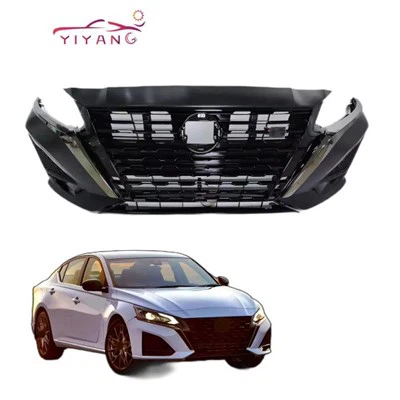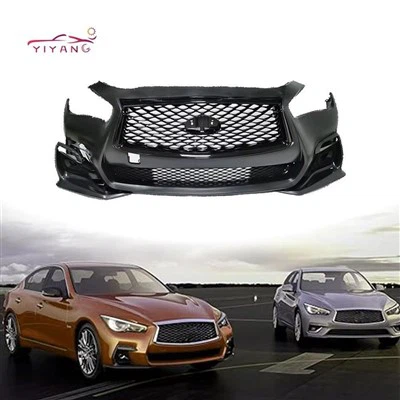
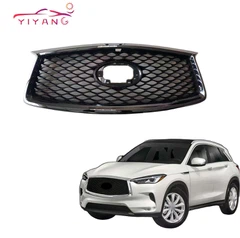
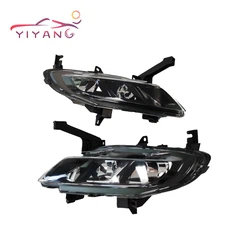


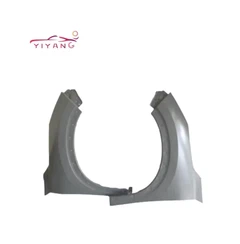
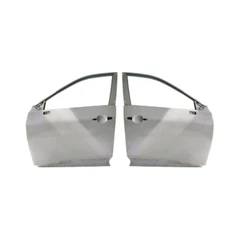

As a crucial component extending the external form and performance of a vehicle, automotive body kits are characterized by precise functional orientation, diverse materials and processes, high compatibility with the overall vehicle, and a dynamic balance between personalization and compliance. These qualities make them irreplaceable in the field of automotive design and modification.
First, functional orientation is the most prominent feature of body kits. Unlike purely decorative parts, kit designs often revolve around clear engineering goals, such as optimizing high-speed stability and reducing wind resistance through aerodynamic components, or enhancing collision buffering capacity through structural reinforcements. Every styling change and structural layout undergoes multidisciplinary analysis, including fluid mechanics and materials mechanics, to ensure that it translates into perceptible performance gains in actual use. This problem-oriented design logic makes the kit not only an aesthetic embellishment but also an organic complement to the vehicle's overall performance.
Second, the diversity of materials and processes gives the kits wide applicability. Common materials include carbon fiber composites, glass fiber reinforced plastics, engineering plastics, and aluminum alloys, each with its own advantages in terms of density, strength, weather resistance, and cost. Carbon fiber combines lightweight and high strength, making it suitable for high-performance applications; glass fiber and engineering plastics are easy to mold into complex curved surfaces and are cost-effective, making them suitable for the mass market; aluminum alloys excel in areas requiring structural rigidity and corrosion resistance. Multiple process paths (such as molding, injection molding, and hand-laying) further expand the balance between styling freedom and production efficiency.
Third, high compatibility with the vehicle body kit is a key characteristic of modern body kits. Excellent design requires coordination with the original vehicle body in terms of installation interfaces, outline, and weight distribution to avoid aerodynamic disruption, sensor obstruction, or safety system malfunctions caused by abrupt modifications. The application of modular interfaces, parametric modeling, and digital matching technologies enables kits to achieve near-seamless integration while maintaining functionality.
Furthermore, body kits seek a balance between personalization and compliance. On the one hand, they provide users with rich styling languages and customization possibilities to meet the needs of differentiated aesthetics and brand expression; on the other hand, they must comply with relevant domestic and international regulations regarding size, markings, and safety performance to ensure that enhancing individuality does not compromise the vehicle's legal roadworthiness and safety.
Overall, the characteristics of automotive body kits lie in combining engineering rationality with artistic sensibility. Supported by diverse materials and precise structures, they endow vehicles with greater adaptability and recognizability while meeting functional enhancement, aesthetic expression, and regulatory constraints. This also determines their continued value and development potential in the automotive industry chain.