


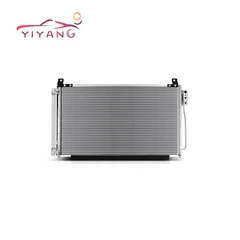

In industrial refrigeration, HVAC, and energy and chemical industries, condensers are core equipment for heat exchange, and their operating status directly affects system energy efficiency and operational safety. A reasonable maintenance cycle is not only fundamental to maintaining heat exchange performance but also an important measure to prevent sudden failures and extend equipment life. Due to differences in condenser structure, working environment, and medium characteristics, maintenance cycles must be scientifically formulated based on actual operating conditions and implemented in a standardized manner to ensure long-term reliability.
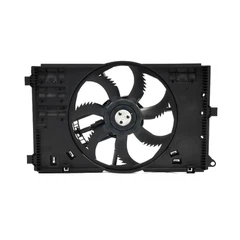
The maintenance cycle for air-cooled condensers is generally greatly affected by ambient air quality. In general indoor or high-cleanliness environments, it is recommended to conduct a visual inspection and fin cleaning every three to six months to remove accumulated dust and debris, maintaining smooth airflow and heat exchange efficiency. In dusty, oily, or high-humidity, high-salt coastal environments, the cycle should be shortened to one to three months, with increased inspection of fin corrosion. If necessary, anti-corrosion treatment or replacement of damaged components should be performed. Fan motors and bearings should be lubricated with an appropriate amount of grease every six months, and operating current and vibration should be checked to prevent a decrease in airflow due to insufficient lubrication or component aging.
The maintenance cycle of water-cooled condensers primarily depends on water quality conditions and operating load. If a circulating water system is used and the water undergoes strict softening and sterilization treatment, the unit can be shut down every six to twelve months to check for scaling on the inner walls of the tube bundles and perform chemical or mechanical cleaning to restore the heat transfer coefficient. In hard water, high sediment, or environments with active microorganisms, the cleaning cycle should be shortened to three to six months, and the pH and conductivity of the water should be tested regularly to adjust the water treatment plan promptly and inhibit the formation of scale and biological slime. In addition, leak testing of the shell, flanges, and seals should be performed annually to ensure that pressure resistance and sealing performance meet design requirements.
For equipment with special structures such as evaporative condensers and plate condensers, the maintenance cycle needs to be determined comprehensively based on the manufacturer's technical specifications and on-site operating data. It is generally recommended to record and analyze operating parameters quarterly. If an increase in condensing pressure, a widening of the heat exchange temperature difference, or an abnormal increase in energy consumption is detected, targeted inspection and maintenance should be arranged immediately, rather than adhering to fixed time points.
When performing maintenance cycles, a complete maintenance record should be established, documenting the time, items, methods, and test data for each maintenance session to facilitate trend analysis and predictive maintenance. Simultaneously, operators must be trained to master cleaning, inspection, and basic repair skills, and should collaborate with a professional technical team to ensure timely handling of complex faults.
In summary, condenser maintenance cycles are not static but should be dynamically optimized based on equipment type, media characteristics, environmental conditions, and operating load. A scientifically sound and rigorously implemented maintenance schedule can effectively delay performance degradation, reduce energy consumption and failure rates, and provide solid support for the continuous and efficient operation of the system.