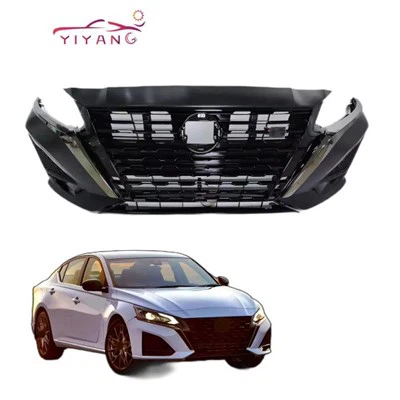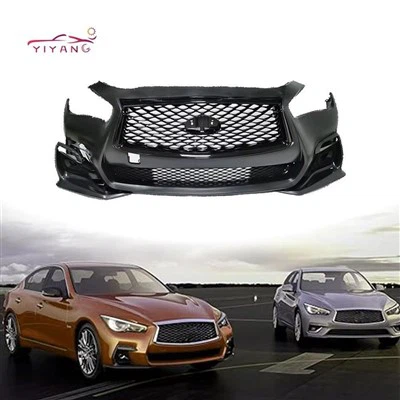
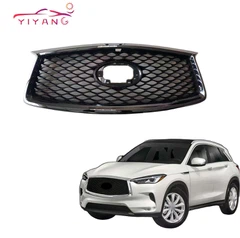
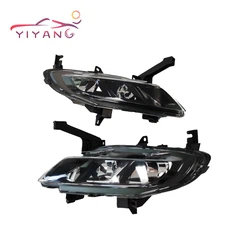

As a fundamental component of the front and rear of a vehicle, the car bumper's fundamental significance extends far beyond aesthetics. Its core purpose is to provide practical safety protection, functional support, and ease of use, thus constructing a comprehensive practical value system for vehicle performance. This value permeates all aspects of daily driving, serving as both the first line of defense for passive safety and a crucial carrier for functional integration and scenario adaptation.
In terms of safety protection, the practical value of a bumper is primarily reflected in its ability to absorb and disperse collision energy in a tiered manner. Its typical structure consists of an outer skin, a buffer energy-absorbing layer, and a load-bearing frame. The outer skin is mostly made of impact-resistant engineering plastics, which can withstand minor damage such as daily scratches and flying stone impacts. The middle buffer energy-absorbing layer is mainly made of foam material or honeycomb structure. In low-speed collisions (such as scratches when moving cars in parking lots or rear-end collisions in urban traffic jams), it absorbs most of the impact energy through controlled deformation, significantly reducing the load transmitted to the main body of the vehicle and key components (such as radiators, lights, and powertrain), thereby reducing maintenance costs and the risk of component failure. The load-bearing frame is rigidly connected to the longitudinal beams of the vehicle body, evenly transmitting the remaining impact force to the entire vehicle structure, avoiding structural damage caused by localized overload. This graded "energy absorption-force transmission" mechanism makes the bumper the most direct and frequently functioning protective device in the vehicle's passive safety system.
The deepening of pedestrian protection has further expanded the practical value of bumpers. Modern regulations require bumper corners to be rounded, surfaces to avoid sharp protrusions, and flexible transition structures to be set between the skin and the energy-absorbing layer. In the event of a pedestrian collision, this design can mitigate the impact force through progressive deformation, reducing the risk of leg and knee injuries to pedestrians. It extends safety protection from "protecting vehicle occupants" to "caring for vulnerable road users," reflecting an ethical advancement and regulatory compliance in automotive safety design.
Functional integration gives bumpers practical value beyond traditional protection. Front bumpers often have reserved space and openings to integrate driver assistance equipment such as millimeter-wave radar, cameras, and ultrasonic sensors. Their shape and structure must balance unobstructed detection visibility with the protection requirements of the equipment-for example, a reasonable grille opening angle prevents sensors from being obstructed by dust and mud, while ensuring no interference or reflection of radar beams, guaranteeing the reliability of functions such as adaptive cruise control and automatic emergency braking. Some models also embed air deflectors or spoilers within the bumper to streamline airflow at the front of the vehicle, reducing driving drag and optimizing heat dissipation efficiency, indirectly improving fuel economy or the range of new energy vehicles. The rear bumper integrates a reversing camera, rear fog lights, and reflective markings, achieving a balance between functionality and aesthetics.
Scenario adaptability is key to realizing the practical value of bumpers. For urban commuting, lightweight design and low-drag styling reduce energy consumption; for off-road or complex road conditions, thickened skin, metal skid plates, or anti-scratch strips effectively resist scratches from gravel and branches, protecting the vehicle body; commercial vehicle bumpers enhance towing capabilities and have pre-installed tow hook mounting positions to meet freight or rescue needs. This on-demand configuration allows bumpers to flexibly adapt to different users' actual usage scenarios, improving vehicle versatility and economy.
Advances in materials and manufacturing processes continue to solidify the practical value of bumpers. High-polymer composite materials and modified engineering plastics maintain lightweight design while possessing superior anti-aging and weather resistance; integrated injection molding and precision coating processes ensure consistent appearance and assembly accuracy, reducing functional failures due to manufacturing errors. Furthermore, design verification based on multi-regional collision standards ensures reliable protection under regulatory environments in different global markets.
In summary, the practical value of automotive bumpers lies in their comprehensive capabilities in passive safety protection, pedestrian protection, functional integration, and scenario adaptability. Through structural optimization, material innovation, and functional expansion, it not only reduces accident losses and maintenance costs but also improves the vehicle's environmental adaptability and ease of use, becoming an indispensable practical component in modern automotive engineering and continuously providing fundamental support for safe travel and efficient use.