


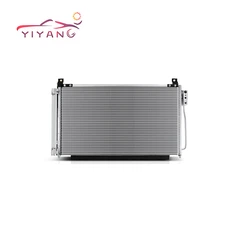

In industrial refrigeration, HVAC, and various heat recovery systems, condensers play a crucial role in condensing gaseous media into liquids and releasing heat. Their operational reliability and heat exchange performance not only affect system energy efficiency but also directly impact production continuity and equipment safety. Therefore, a series of professional precautions must be followed during operation and maintenance to prevent risks and maintain optimal working conditions.
First, the installation environment and spatial layout should be carefully considered. Condensers should be placed in well-ventilated areas that facilitate heat dissipation. For air-cooled units, the air inlet and outlet should be unobstructed, and sufficient distance should be maintained from walls or other equipment to prevent heat backflow and reduced heat exchange efficiency. For water-cooled equipment, a sufficient water supply with compliant water quality should be ensured, and piping should be arranged reasonably to avoid sharp bends and sudden changes in elevation that could cause excessive flow resistance or air blockage. During installation, the equipment must be level and stable, and connecting flanges and welds must undergo sealing tests to eliminate potential leaks during operation.
Operational monitoring is a key aspect of daily management. Condensing pressure, temperature, flow rate, and energy consumption data should be recorded regularly. If abnormal pressure increases or temperature differences are detected, the cause must be analyzed promptly, as it may be due to fouling on the heat exchange surface, insufficient medium flow, or decreased performance of the fan or water pump. For water-cooled systems, water quality indicators, including hardness, pH, conductivity, and microbial content, should be tested regularly. Chemical dosing and filtration should be used to inhibit scaling and biofilm formation.
Cleaning and maintenance must be strictly performed according to regulations. Air-cooled condenser fins are susceptible to dust and oil buildup; they should be cleaned using low-pressure compressed air or a specialized cleaning agent in the direction of airflow to avoid damaging the fin structure. The inner walls of water-cooled tube bundles should be chemically cleaned or mechanically descaled periodically, depending on water quality, to restore heat transfer efficiency. During disassembly and assembly, care should be taken to protect the sealing surfaces and anti-corrosion layers to prevent secondary damage due to improper operation.
During seasonal or long-term shutdowns, protective procedures should be followed. Air-cooled units should be covered with dust covers and kept dry internally. Water-cooled systems must be drained of residual water or antifreeze and anti-rust solutions should be added to prevent low-temperature freezing and cracking or internal corrosion. Before restarting, a comprehensive inspection of the electrical wiring, sensor calibration, and lubrication of all moving parts should be conducted. Start-up is only permitted after confirming everything is in order.
Safe operation is paramount. Before servicing live equipment or pressure-bearing components, the power supply and medium supply must be disconnected, and depressurization and evacuation procedures must be followed. When handling refrigerants or chemical cleaning agents, appropriate protective measures should be taken to avoid health hazards. Any abnormal vibration, noise, or signs of leakage should be immediately stopped for investigation to prevent escalation.
The efficient and stable operation of the condenser relies on rigorous installation, meticulous monitoring, standardized cleaning, and safe management. Following these precautions can significantly improve equipment reliability, reduce energy consumption and maintenance costs, and provide a solid guarantee for the long-term stable operation of the system.