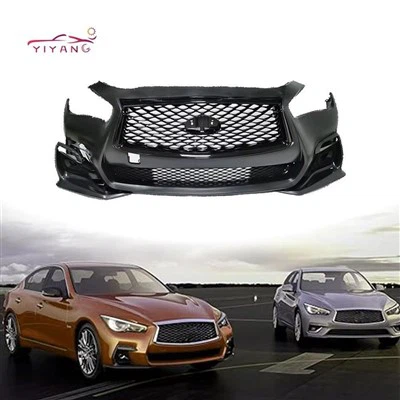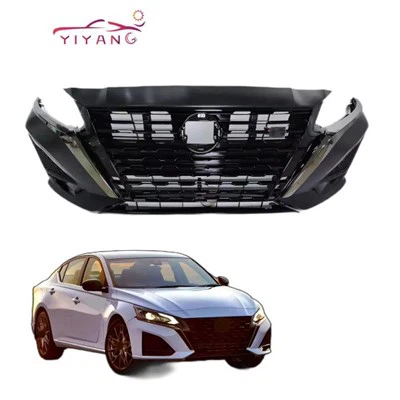



While bumpers are key components for front and rear protection and functional integration in automotive design and application, they exhibit significant differences across different vehicle models, usage scenarios, and technological approaches. These differences permeate structural forms, material selection, functional configurations, and appearance features, reflecting the diverse orientations of vehicle positioning, safety strategies, and usage needs.
Structurally, there are clear differences between bumpers for passenger cars and commercial vehicles. Passenger car bumpers emphasize lightweight design and aesthetic integration, typically employing a three-layer structure of exterior skin-energy-absorbing layer-load-bearing frame, and are compactly integrated with the body panels, lights, and sensors. Commercial vehicle bumpers, especially those for trucks and buses, prioritize structural strength and ease of maintenance, often featuring a metal frame covered with wear-resistant steel plates or high-strength plastics, with a relatively square and rugged design to provide reliable protection under heavy loads or harsh conditions.
In terms of material selection, the differences stem from the emphasis on performance objectives. The bumper panels of ordinary passenger cars are mostly made of modified engineering plastics, offering good molding flexibility and weather resistance, while also incorporating foam or honeycomb energy-absorbing layers to reduce collision damage. High-performance or luxury models tend to use carbon fiber composite materials or polymers, maintaining lightweight while improving rigidity and impact resistance. Off-road or special vehicles may incorporate metal reinforcements in key stress areas to withstand rock scraping and larger impact loads.
The differences in functional configuration are particularly significant. Passenger car bumpers generally integrate millimeter-wave radar, cameras, and other driver assistance sensors, and their design must balance detection range and aerodynamic optimization. Sports car front bumpers often feature large air intakes and airflow structures to improve cooling efficiency and high-speed downforce. Commercial vehicle bumpers primarily serve practical functions such as towing, snow chain mounting, or auxiliary lighting installation, with fewer sensors. Furthermore, electric vehicle front bumpers sometimes work in conjunction with the battery thermal management system, incorporating dedicated ventilation channels to optimize heat dissipation, a feature uncommon in traditional gasoline-powered vehicles.
Exterior features also reflect positioning differences. Passenger cars prioritize a seamless integration of bumper design with the body lines, emphasizing streamlined aesthetics and a unified look. SUVs and crossovers, with their higher ground clearance, often feature more prominent anti-scratch edges and silver skid plates on their bumpers, reinforcing their ruggedness and protective image. High-performance sports cars, on the other hand, use sharp lines, large openings, and aerodynamic structures to highlight their sportiness and aggressiveness. In terms of color, ordinary vehicles are often painted the same color, while off-road or commercial vehicles commonly feature darker or matte finishes that are more durable and resistant to dirt and wear.
Differences in regulations and testing standards are also significant. Different regions have different requirements for bumper height, corner curvature, and collision energy absorption indicators, leading to the same model potentially using slightly modified bumper versions in different markets to simultaneously meet local safety certifications and styling preferences.
In summary, the differences in structure, materials, function, appearance, and compliance requirements of automotive bumpers reflect the diverse divergence in vehicle purpose, performance goals, and brand philosophy. Understanding these differences helps in making more suitable choices in design and application, achieving a balance between protection, functionality, and aesthetic value.