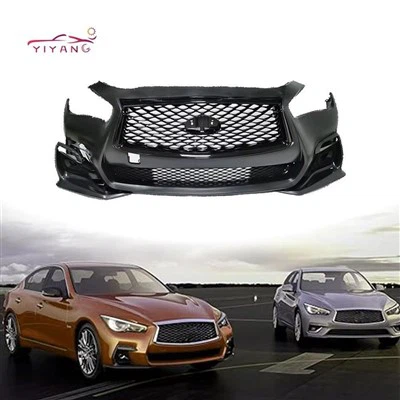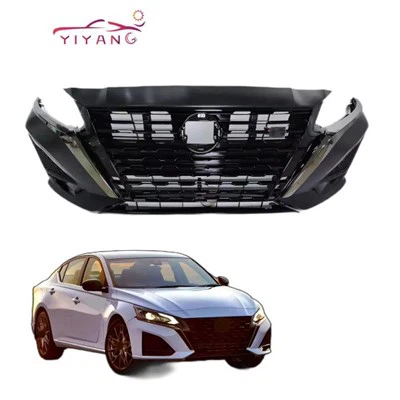


As a crucial visual element at the front and rear of a car, the exterior features of the bumper not only affect the overall aesthetic appeal but also convey multiple messages regarding brand identification, aerodynamic optimization, and safety design. In modern automotive design, the bumper's appearance has evolved from a simple protective panel to a complex styling system integrating streamlined curves, three-dimensional segmentation, and detailed decoration, reflecting a deep integration of engineering logic and aesthetic appeal.
From an overall perspective, the bumper's appearance emphasizes continuity with the car's contours. The front bumper is often integrated with the shape of the front end, using gradually changing curves to guide the eye from the front grille to the headlights, creating a unified visual depth. The sides, where they meet the wheel arches, often feature simple folds or slightly convex curves, echoing the body's waistline while avoiding abrupt breaks. The rear bumper, utilizing the contours of the trunk lid or taillights, employs a horizontally stretched or inward-curving layout, making the rear proportions appear more stable and harmonious. This holistic design enhances the vehicle's unified stance and improves aerodynamic performance, as smoothly transitioned surfaces reduce airflow separation and turbulent noise.
In terms of detail, the bumper exterior presents rich layers and textural features. Common design techniques include the nested layout of the three-dimensional air intake grille, geometric segmentation of the fog light area, linear embellishments of trim or chrome accents, and the partial use of carbon fiber or brushed metal textures. These elements not only enhance visual refinement but also highlight functional zones through material contrast-for example, covering the area where radar or cameras are located with dark trim ensures detection performance while visually minimizing the equipment's presence. Furthermore, the integrated design of the lights and bumper is becoming increasingly popular, with daytime running lights or turn signals embedded in the bumper contour in a narrow strip or boomerang shape, unifying lighting function with styling language.
Color and surface treatment are also important components of the exterior design. Bumper skins are often painted the same color as the body to minimize overall color difference; some sporty or crossover models use two-tone combinations or matte coatings to create a sense of individuality and power. Surface textures are differentiated by high-gloss, matte, or semi-matte finishes. High-gloss coatings enhance a luxurious and refined atmosphere, while matte or semi-matte finishes highlight a sense of stability and technology.
Safety regulations also directly impact bumper appearance. To prevent pedestrian collisions, corners must be rounded, and protruding shapes must be controlled within specified curvature ranges. Simultaneously, to ensure the visibility angle and detection range of lights and sensors, the shape and position of surface openings must strictly adhere to design specifications. These constraints force designers to seek a precise balance between aesthetics and compliance, ensuring that bumpers meet safety standards without sacrificing visual appeal.
Overall, the appearance of automotive bumpers is the result of a combination of styling aesthetics, brand identity, aerodynamic optimization, and safety design. The careful organization of their form, details, materials, and colors not only enhances the overall character of the vehicle but also demonstrates the mature mastery of modern automotive industrial design between function and art.