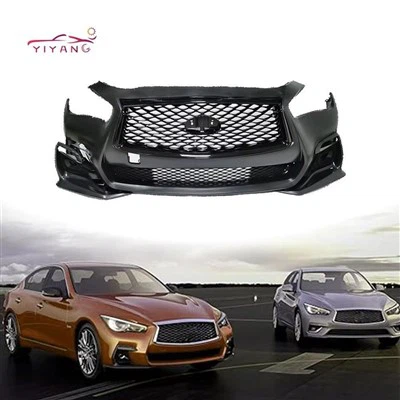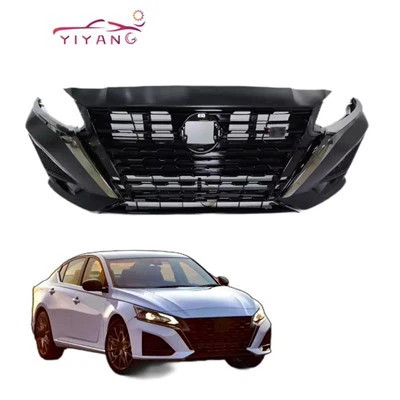
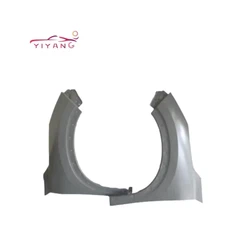

While mudguards are considered aesthetic and auxiliary components in a car's chassis protection system, they play a crucial role in protection and functional safeguards during road driving. Their primary purpose is to block mud, sand, gravel, and road debris kicked up by the wheels, preventing direct impact and contamination to the vehicle's sheet metal, chassis components, and pedestrians.They also optimize the vehicle's aerodynamic characteristics and driving stability to some extent. With the diversification of road conditions and the expansion of vehicle usage scenarios, the design and application of mudguards have developed relatively mature technical specifications and selection systems.
The fundamental function of mudguards is, first and foremost, physical isolation. When driving in rain or on muddy roads, the high-speed rotation of the tires throws water, mud, and fine particles onto the sides of the vehicle. Without effective protection, these impurities easily adhere to the doors, side skirts, and chassis coatings, leading to paint corrosion, steel rust, or electrical connector failure over time. Mudguards, through their extended, curved or plate-like structure, create a barrier between the tires and the vehicle body, causing most debris to fall or disperse along a predetermined trajectory, thus reducing the risk of pollution and corrosion.
Secondly, mudguards also contribute to driving safety and comfort. On some models, the front mudguards can be integrated with the fenders, providing cushioning in collisions or side scrapes and reducing the severity of injury to pedestrians and non-motorized vehicles. Rear mudguards reduce tire noise transmission to the cabin at high speeds and decrease the probability of gravel impacting undercarriage lines and fuel tanks. Furthermore, at high speeds, a well-designed mudguard can reduce airflow turbulence around the wheels, lowering air resistance and lift, thus contributing to improved fuel economy and driving stability.
Material selection reflects a balance between mudguard performance and cost. Traditional vehicle models mostly use stamped steel sheets, which offer high strength and durability, but are relatively heavy. Engineering plastics (such as PP and ABS) are widely used in mid-to-low-end and passenger vehicles due to their impact resistance, ease of shaping, light weight, and ability to be molded into complex curved surfaces in one piece. Composite materials are used in high-end or off-road vehicles, offering the advantages of lightweight construction, UV resistance, and chemical corrosion resistance. Surface treatment processes include spraying, film coating, or weather-resistant coatings to enhance aging resistance and color retention.
Installation and compatibility are prerequisites for mudguards to function effectively. Different vehicle models have significant differences in wheelbase, suspension travel, and ground clearance. Mudguards must precisely match the wheel arch shape and tire outer diameter to avoid interference with the tires or scratch damage during extreme cornering or bumpy driving. The fixing method is mostly a combination of bolt connections and clip clamps, ensuring that they do not easily loosen or fall off during long-term use.
In terms of maintenance, mudguards should be regularly inspected for cracks, damage, or rust on fasteners. Especially after off-road or rough driving, any trapped mud, sand, and stones should be promptly removed to prevent accelerated material wear or disruption of airflow. Plastic materials may age and become brittle under prolonged UV exposure; protective treatment or replacement may be necessary in such cases.
Overall, automotive mudguards offer irreplaceable comprehensive value in terms of protection, noise reduction, safety, and aerodynamic optimization. Proper selection, accurate installation, and regular maintenance ensure stable performance during urban commuting, long-distance travel, and complex road conditions, providing reliable support for vehicle body protection and overall vehicle performance.