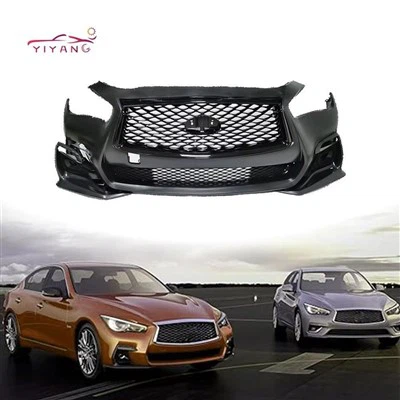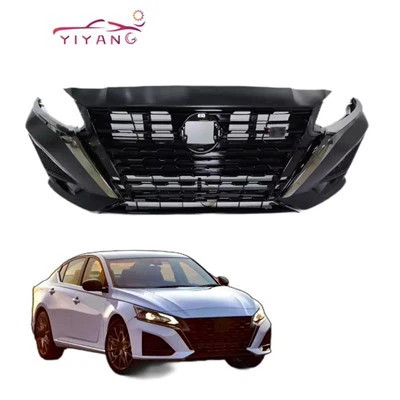

During the long-term use and maintenance of a car, the bumper, as a key component for front and rear protection and functional integration, directly impacts driving safety, repair costs, and user experience. Years of practical experience have shown that developing a reusable system of experience regarding bumper selection, installation, use, and maintenance helps achieve a balance between performance and economy under complex conditions and diverse needs.
In the selection phase, experience indicates that vehicle purpose and primary driving environment should be prioritized. For urban commuter vehicles, bumpers with harmonious styling, lightweight construction, and good energy absorption characteristics are preferred. These bumpers effectively protect lights and cooling components in everyday low-speed collisions, and repair and replacement costs are relatively controllable. For vehicles frequently encountering unpaved roads or off-road conditions, structurally reinforced bumpers should be selected. Common features include metal skid plates, thickened skin, and multi-point fixing designs, which maintain protective integrity in the event of gravel impacts and minor rollovers. Meanwhile, for vehicles equipped with driver assistance systems, experience suggests that the positions of the bumper's openings for radar and cameras, as well as the clearance for viewing distance, must be checked to avoid sensor malfunctions due to excessive obstruction or angular deviations.
Experience in the installation process emphasizes precision and systematic operation. Common problems in practice include misaligned mounting holes or inadequate tightening, which can easily lead to abnormal noises, displacement, and even structural fatigue under driving vibrations. Therefore, installation should be carried out by qualified technicians according to the original manufacturer's or certified body's specifications, and sensor calibration and functional integration should be performed after completion to ensure that all integrated devices are functioning properly. The treatment of exterior joints is also crucial; appropriate use of sealing strips or buffer gaskets can prevent moisture and dust intrusion and slow down the corrosion process of the metal frame and plastic skin.
Experience in use focuses on condition monitoring and timely intervention. After a minor collision, even if there is no obvious damage to the exterior, the bumper may experience collapse of the energy-absorbing layer or slight deformation of the frame, which will weaken its energy absorption capacity in subsequent collisions. Experience suggests establishing a regular visual inspection system, especially after seasonal changes or long-distance driving, focusing on the integrity of corners, mounting points, and sensor windows. For cleaning and maintenance, avoid using strong acids and alkalis, as well as abrasive brushes, to prevent damage to the coating and plastic surface texture. For areas with radar or cameras, keep the lenses clean and promptly remove snow and mud to maintain the reliability of the sensing system.
Maintenance experience also covers preventative measures and appropriate expansion. For vehicles chronically exposed to UV radiation and acid rain, apply a professional protective coating to the plastic covering to slow aging and fading. Under compliant conditions, if auxiliary light brackets, winches, or fairings are added, calculate whether the increased load is within the structural load-bearing capacity and ensure safe isolation from the original vehicle's electrical and signal systems to prevent functional conflicts or safety hazards caused by modifications.
In summary, practical experience with automotive bumpers reveals that their value depends not only on design and manufacturing quality but also on comprehensive management throughout the entire process, including proper selection, accurate installation, usage monitoring, and proper maintenance. Transforming these experiences into routine operations can ensure safety performance while reducing accidental damage and maintenance costs, extending the service life of components, and providing solid support for the overall operational quality of the vehicle.