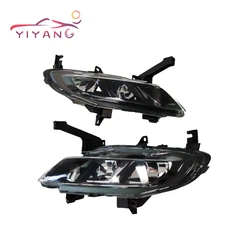

As a crucial safety device for vehicles, the working condition of vehicle headlights directly affects driving safety at night and in low-visibility conditions. Routine maintenance involves not only maintaining a clean appearance but also preserving optical performance and extending component lifespan. A systematic and standardized approach is necessary to ensure high reliability and efficiency over long-term use.
First, a regular inspection system should be established. It is recommended to visually inspect the headlight housing surface, headlight cavity seals, and light source operation at least once a month in well-lit conditions. Pay particular attention to cracks, scratches, condensation, or yellowing, as these often indicate headlight aging, seal failure, or internal moisture. For headlights equipped with adaptive lighting, matrix beam, or intelligent signal functions, the indicator lights on the control module should also be checked to ensure the functional logic matches actual operating conditions.
Appropriate methods and materials must be used for cleaning and maintenance. The outer surface of car headlights is prone to accumulating insect remains, mud, oil, and UV deposits. Use a neutral detergent and a soft, slightly damp cloth to gently wipe from the center outwards, avoiding vigorous scraping to prevent minor scratches. For stubborn stains, a specialized plastic polish or stain remover can be used, but test it on an inconspicuous area first to ensure it doesn't damage the coating before applying it to a larger area. Never use strong acids, alkalis, or cleaners containing abrasive particles, as these can damage the optical transparency and surface hardness of the polycarbonate or acrylic headlight housing.
Moisture and fog prevention are especially important in humid areas or environments with large temperature fluctuations. After each car wash or driving through water, check for residual moisture in the headlight housing seams and vents; use dry compressed air to blow it clean. If persistent fogging is found inside the headlight cavity, check if the sealing rings are aging or improperly installed, and replace the seals promptly or have them professionally dehumidified to prevent short circuits or premature light fading caused by moisture. When parking a vehicle for an extended period, a breathable dust cover can be placed over the headlight housing to reduce dust accumulation and direct UV radiation.
Maintenance of the light source and drive components is equally important. Halogen lamps have a shorter lifespan; observe for light decay and flickering, and replace them with original bulbs of the same specifications promptly to prevent overheating and deformation of the reflector due to power mismatch. While LED and laser light sources have longer lifespans, they are sensitive to heat dissipation; ensure proper ventilation of the lamp body and regularly clean dust and debris from the heat sink fins to ensure effective heat dissipation. For replaceable drive modules or ballasts, follow the manufacturer's recommended inspection schedule to prevent voltage fluctuations or component aging from affecting light output stability.
During maintenance, adhere to regulations and safety guidelines. Always perform bulb replacements or beam adjustments with the engine off and power disconnected to prevent burns or electric shocks. Modifications to headlights (such as brightening or changing color) must comply with local motor vehicle safety standards to avoid affecting other drivers or incurring penalties due to excessive beam angle or color temperature.
In general, routine maintenance of vehicle lights encompasses inspection, cleaning, moisture protection, light source and drive system maintenance, and compliant operation. By developing regular and meticulous maintenance habits, you can not only maintain the best lighting performance and appearance of your vehicle lights, but also detect potential problems early, extend their service life, and provide continuous and reliable protection for driving safety.