
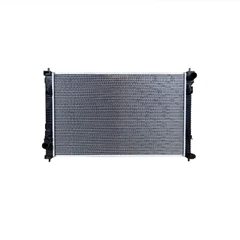
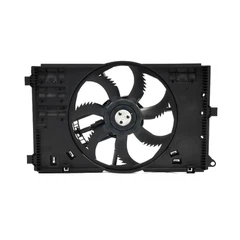

In modern industrial and electronic equipment, heat sinks play a crucial role in controlling heat and maintaining stable equipment operation. Their actual performance depends not only on design and manufacturing quality but also on scientific methods used during operation. Properly applying relevant techniques can extend device lifespan and reduce maintenance costs while ensuring effective heat dissipation.
First, attention should be paid to selecting the right heat sink for the specific application scenario. Different heat source power, environmental conditions, and spatial layouts place different demands on heat sink types. For example, in high heat flux density scenarios, microchannel or liquid cooling solutions are preferred to enhance heat transfer rates; when space is limited and the environment requires high cleanliness, compact aluminum extrusion air-cooled structures are more advantageous. Selection should refer to the thermal resistance-airflow characteristic curve to ensure that temperature rise limits are met under rated and peak operating conditions, avoiding energy waste or overheating risks due to mismatch.
The installation process must strictly adhere to specifications. The contact quality between the air-cooled radiator and the heat-generating surface directly affects heat transfer efficiency. A suitable amount of thermally conductive interface material should be evenly applied to the joint surface, with a thickness ideally between 0.1 and 0.3 mm, to both fill gaps and reduce additional thermal resistance. Fixing bolts should be tightened gradually in a crisscross pattern to prevent base plate deformation leading to localized gaps. Before installing a liquid cooling system, all air in the piping must be thoroughly removed and the seal checked to prevent air blockage or leakage during operation. Fan inlets and outlets should be kept unobstructed, with a distance of at least 10 cm from obstructions to avoid disrupting airflow.
Maintenance during operation is equally crucial. Air-cooled radiators should have their fins cleaned regularly, ideally every three to six months, using low-pressure compressed air or soft brushes to avoid damaging the surface coating. Liquid cooling systems require periodic testing of the physicochemical properties of the cooling medium, and timely replacement and flushing of the piping to inhibit corrosion and biological contamination. For equipment operating under high loads for extended periods, temperature monitoring devices are recommended; any abnormal temperature differences should prompt investigation into the contact condition and fan operation.
Environmental adaptation measures are essential. In high-temperature, high-humidity, or corrosive atmospheres, radiators with enhanced protective treatment should be selected. In dusty environments, dust filters can be used, and cleaning cycles should be shortened. Furthermore, frequent start-ups and shutdowns of the cooling system near critical temperatures should be avoided to reduce cumulative damage to structural components and seals caused by thermal stress.
In summary, the effectiveness of a radiator stems from the synergistic effect of accurate selection, standardized installation, timely maintenance, and environmental adaptation. Adhering to scientific usage principles is essential to achieving stable thermal management and long-term equipment operation under complex conditions, providing strong support for high-quality industrial development.